
TREATING SLEEP APNEA IN PRINCE GEORGE
AND HENRICO, VA
Our team of experts can help diagnose, treat and explain the importance of addressing your sleep apnea.
PERSONAL DIAGNOSIS & TREATMENT
Sleep apnea is a potentially serious sleep disorder characterized by abnormal breathing patterns during sleep, where breathing repeatedly stops and starts. These lapses in breathing can last from a few seconds to a minute and may occur 30 times or more per hour. The repeated interruptions in breathing reduce the oxygen supply to vital organs and disrupt the natural sleep cycle, resulting in lower-quality sleep. Over time, this can lead to a range of health issues, including high blood pressure, heart disease, stroke, diabetes, and daytime fatigue. If you snore loudly and feel tired even after a full night’s sleep, you may have sleep apnea.
SYMPTOMS OF SLEEP APNEA
Chronic snoring is the most common symptom of OSA, but not everyone who snores has sleep apnea. In general, a person with sleep apnea is not aware of their breathing problems at night. Other symptoms of occur during waking hours because of poor sleep and decreased oxygen levels that occur due to interrupted breathing at night. Symptoms include:
• Disrupted breathing that may become labored or even stop for up to a minute at a time
• Loud snoring with gasping, choking or snorting
• Excessive daytime sleepiness
• Morning headaches, sore throat or dry mouth
• Irritability
• Limited attention span or difficulty thinking clearly
• Frequent need to wake up to urinate
• Difficulty staying asleep (insomnia)
WHO IS AT RISK OF
SLEEP APNEA
Although it can affect anyone at any age—even children— you have a higher risk if you are in the following categories:
- Being male
- Being overweight
- Being over the age of 40
- A large neck size
- Large tonsils, a large tongue, or a small jaw bone
- Family history
- Nasal obstruction due to a deviated septum, allergies, or sinus problems
- Use of sedatives, including alcohol
DIAGNOSING AND TREATING SLEEP APNEA
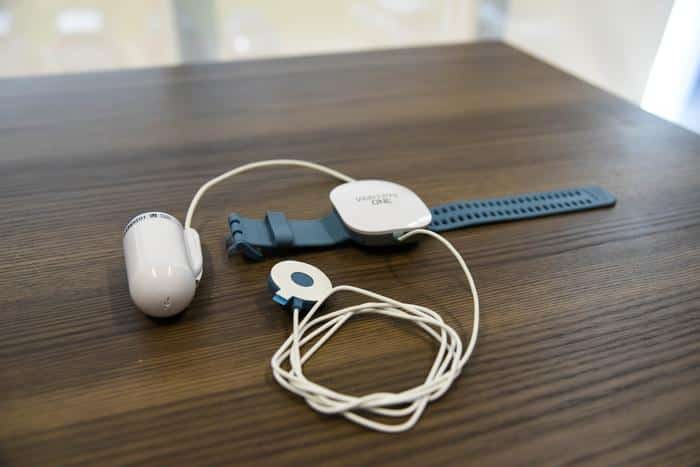
If you have sleep apnea symptoms, your doctor may ask you to undergo a sleep test called a polysomnogram (PSG). This test may be done in a sleep disorder center or at home. During a polysomnogram, physical activities that occur while you sleep are recorded. A sleep specialist then analyzes the recordings to determine if you have a sleep disorder. If the results of the PSG indicate that you have sleep apnea, more testing may be required to determine the best treatment option.
Once diagnosed, treatment is often effective at improving sleep and reducing the risks of long-term health complications. The most common treatment method for sleep apnea is a Continuous Positive Airway Pressure (CPAP) machine. CPAP machines push air through a mask and into the airway to keep it open during sleep.
Lifestyle changes can resolve some cases of OSA, such as reducing the use of sedatives, including alcohol, quitting smoking, treating allergies, and sleeping on your side. Losing weight can have the most significant impact on OSA. Losing even a small amount of weight can significantly improve your symptoms and reduce your risk of long-term health issues.
WHY YOU SHOULD TREAT YOUR SLEEP APNEA
Left untreated, sleep apnea can continue to cause troubling symptoms such as headaches, a sore throat, snoring, tiredness and irritability. Over time, more serious, long-term health issues can develop.
These include:
- Heart disease
- High blood pressure
- Stroke
- Diabetes
- Depression
- Worsening of ADHD
- Chronic headaches
- Poor performance in everyday activities
Are you ready to take control of your sleep health? Call our team at VitalCare Family Practice today at 804-256-8282 to get started.
