
SLEEP MEDICINE
Treating patients with sleep disorders involves a blend of physiology, neurology and psychiatry in patients of all ages. Our team is committed to helping patients achieve better sleep and in turn, improve their lives.
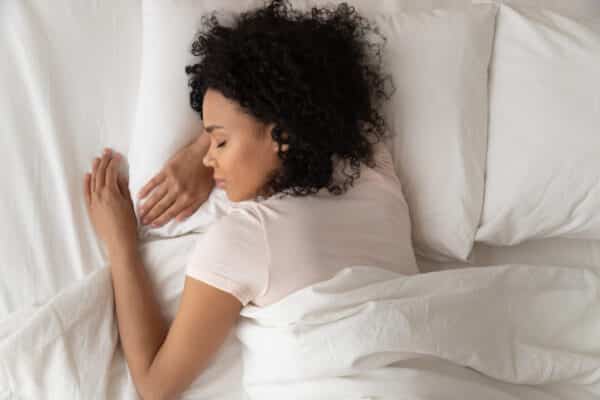
Sleep medicine is a medical subspecialty focused on diagnosing and treating sleep disorders and other sleep-related concerns. Sleep disorders are common and, if left untreated, can have significant long-term consequences, such as the increased risk of heart disease, stroke, type 2 diabetes, and obesity.
According to the American Psychiatric Association, about one-third of adults report insomnia symptoms, and 6-10 percent meet the criteria for insomnia disorder.
Sleep disorders involve problems with the quality, timing and amount of sleep, which result in daytime distress and impairment in functioning. They often occur along with medical conditions or other mental health conditions, such as depression, anxiety, or cognitive disorders. Although there are several different types, insomnia is the most common. Other sleep disorders include obstructive sleep apnea, parasomnias, narcolepsy, and restless leg syndrome.
Sleep difficulties are linked to both physical and emotional problems. In addition, sleep problems can both contribute to or exacerbate mental health conditions and can be a symptom of other mental health conditions.
HOW ARE SLEEP DISORDERS DIAGNOSED?
Our sleep medicine experts use a variety of tools to make an accurate diagnosis of your sleep problem, beginning with a complete medical history that includes information about activities, school, work, life at home, and medications that may be affecting your sleep.
Our doctors will use specialized diagnostic tools to gain better insight into the cause of some sleep problems. These tools include sleep journals and the sleepiness scale. If medical history and the information collected from the sleep diary and sleepiness scale suggest an underlying medical condition, our doctors may recommend a sleep study or polysomnogram. During sleep studies, patients are connected to sensors that monitor the stages of sleep, body movements, oxygen levels, and breathing patterns.
TYPES OF SLEEP DISORDERS
- Central sleep apnea
- Circadian sleep disorders
- Hypersomnia
- Insomnia
- Narcolepsy
- Nighttime leg cramps
- Nightmare disorder
- Obstructive sleep apnea (OSA)
- Parasomnias
- REM sleep behavior disorder
- Restless legs syndrome
- Sleep terrors (“night terrors”)
- Sleepwalking (somnambulism)
- Snoring
AT-HOME SLEEP TESTS
What Do At-Home Sleep Tests Measure?
When you take an at-home sleep test, specific biological parameters are measured to gain insight into your sleep issues. Several factors are measured:
- Nasal and oral airflow
- Respiratory effort
- Oxygen levels
TREATING SLEEP DISORDERS
Based upon the patient’s diagnosis, preferences, and goals, a sleep medicine specialist may recommend one of these sleep-disorder treatments:
- Continuous positive airway pressure (CPAP)
- Medications
- Better sleep hygiene habits and behaviors
